What are clinical trials?
Learn about how these research studies work and their potential benefits and risks.
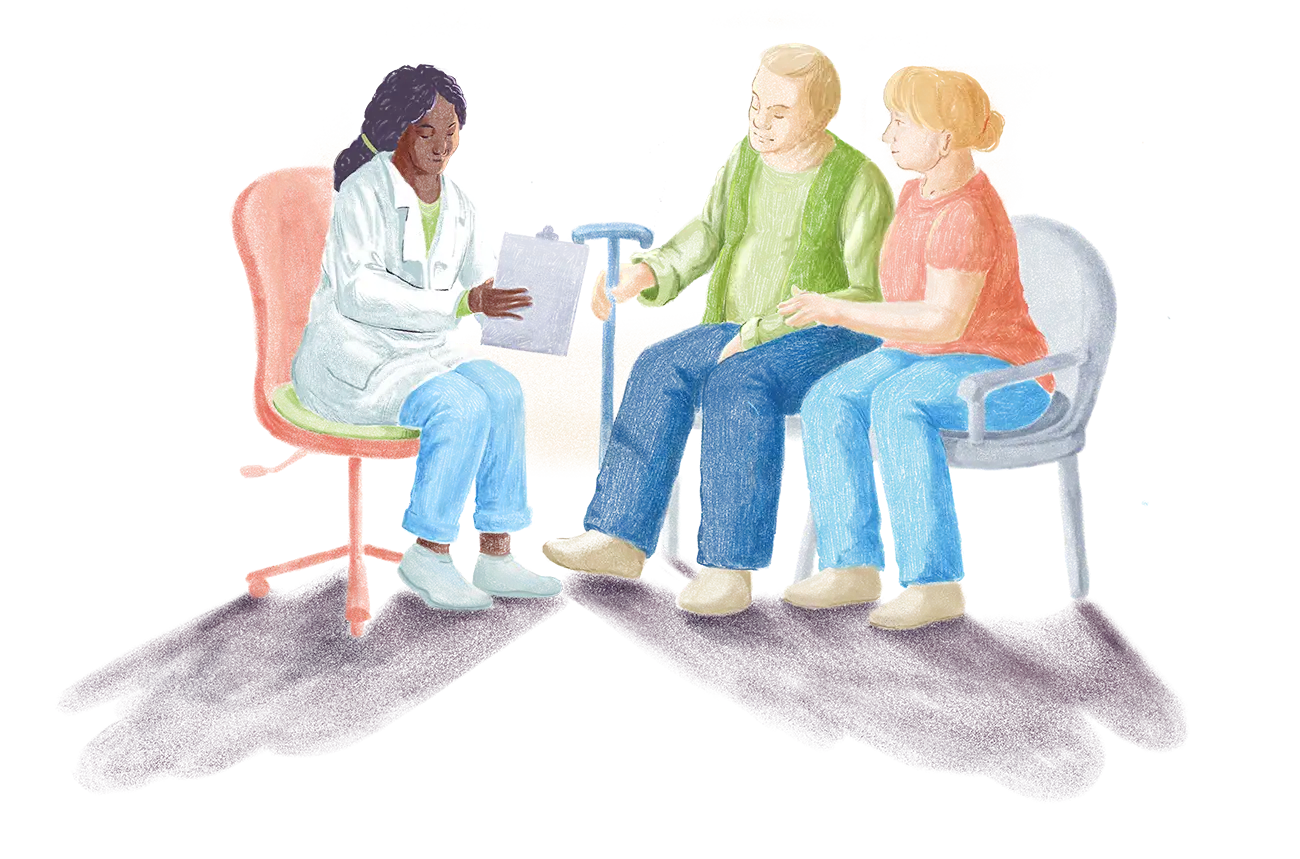
Clinical trials test how well a medical approach prevents, detects, or treats diseases. They are also called clinical studies. When a medical approach is being studied in a clinical trial, we say it is investigational.
Clinical trials happen in phases and follow carefully-designed plans (also called protocols). This helps trial teams get quality results and reduce risks to participants.
Types of clinical studies
- test an investigational treatment in humans for the first time
- test if a treatment is safe, look for possible side effects, and test for the best dose
- may also test the best way to give a new treatment (for example, by mouth, infusion, or injection) and how the treatment affects the body
- usually includes a small number of volunteers who are healthy or who have a specific disease
- test whether a treatment works for a certain disease (for example, shrinks a tumor or improves blood test results)
- may also provide more information about the safety of the new treatment and how the treatment affects the body
- include more volunteers with a specific disease
- test the safety of a treatment and how well it works for a certain disease compared with a standard treatment (for example, longer survival rates or fewer side effects)
- may include hundreds of people
- are also called pivotal studies
- continue studying a treatment after it has been approved by the FDA (Food and Drug Administration) and is available by prescription
- look for side effects that were not seen in earlier trials
- may also study how well a new treatment works over a long period of time
- may include thousands of people
- are also called post-marketing surveillance trials
There are pros and cons to taking part in a clinical trial. Some common considerations are listed below. The choice to participate or not can be very personal, and the reasons may be different for each person.

Potential benefits
- You may get treatment specifically for your condition that may not be available to the public
- You will get high-quality medical care and be carefully monitored
- There are no costs for clinical trial-related medical care
- What researchers learn from your participation can help improve care for other patients in the future

Potential risks
- Clinical trials can sometimes involve more or longer visits than first planned, adding up to a bigger time commitment overall
- Your condition may not get better
- You may experience side effects that may range from mild or unpleasant to serious or life-threatening
There are strict regulations, ethical guidelines, and required monitoring that all clinical trial teams must follow. Two of these are clinical trial protocols and informed consent.

Clinical trial protocols
Clinical trial protocols are the full plans for a research study. They contain details about all the procedures and processes involved in the trial. Trial protocols must be reviewed and approved by Institutional Review Boards (IRBs). IRBs make sure that research involving people follows regulations and is done ethically and safely.

Informed consent
Informed consent is a formal process that makes sure you understand the clinical trial you are agreeing to take part in. Topics covered include how the trial is set up, costs, potential benefits and risks, and your rights as a participant.
Remember you have a right to:
- ask questions and understand what happens in the trial
- hear and read information in a language you can understand
- expect privacy and confidentiality of your health records, and
- choose to stop participating in a clinical trial at any time

Ask questions
Your doctor or clinical trial team can help you learn more. Here are some questions to ask:
- Would I be a good fit for a clinical trial?
- What additional tests might I need to see if I'm a good fit?
- Do I need a referral to participate in a trial?
- Do I need to travel or find a place to stay?
- What out-of-pocket costs might there be?
- Is financial assistance available?
- What responsibilities might my caregiver need to prepare for?

Explore these resources
Here are resources provided by US government agencies involved in health and research: