What is PTLD?
Learn about this rare but serious complication that can happen after a transplant, including the type that is the focus of the ALLELE clinical trial.

PTLD stands for
Post-Transplant
Lymphoproliferative
Disease or Disorder.
Lympho refers to lymphocytes, a type of white blood cell.
Proliferative means growing or multiplying quickly.
There are many types of PTLD, which range from mild, benign growths to aggressive cancers.
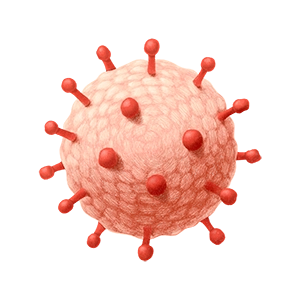
PTLD often involves the Epstein‑Barr virus (EBV).
When EBV is involved, it is called EBV‑positive PTLD.
When EBV isn't involved, it's called EBV‑negative PTLD.
What is EBV?
EBV is one of the most common viruses that people can get. Nearly everyone will pick up an EBV infection in their lifetime. Most adults carry EBV without any symptoms, but EBV may cause symptoms in people with a weakened immune system.
About PTLD is an educational website created with the help of PTLD patients, caregivers, and representatives from nonprofit transplant, rare disease, and cancer advocacy groups.
On About PTLD, you can learn about PTLD symptoms, how to be prepared for diagnosis and treatment discussions, and connect to more resources.
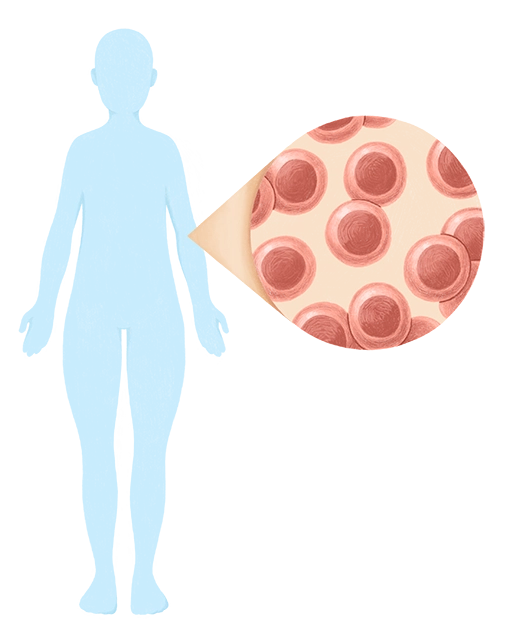
PTLD is rare but can develop in anyone taking immunosuppressants after a transplant.

Since PTLD involves the immune system, many of the treatment options are immunotherapies. Immunotherapies work by helping the immune system to fight a disease.
Treatments include:
- adjusting your immunosuppressants
- antibody therapy
- CAR T-cell therapy
- chemotherapy
- EBV-directed therapy
- surgery and radiotherapy
Although these therapies are used to treat PTLD, none are specifically approved by the FDA (Food and Drug Administration) for EBV‑positive PTLD.